
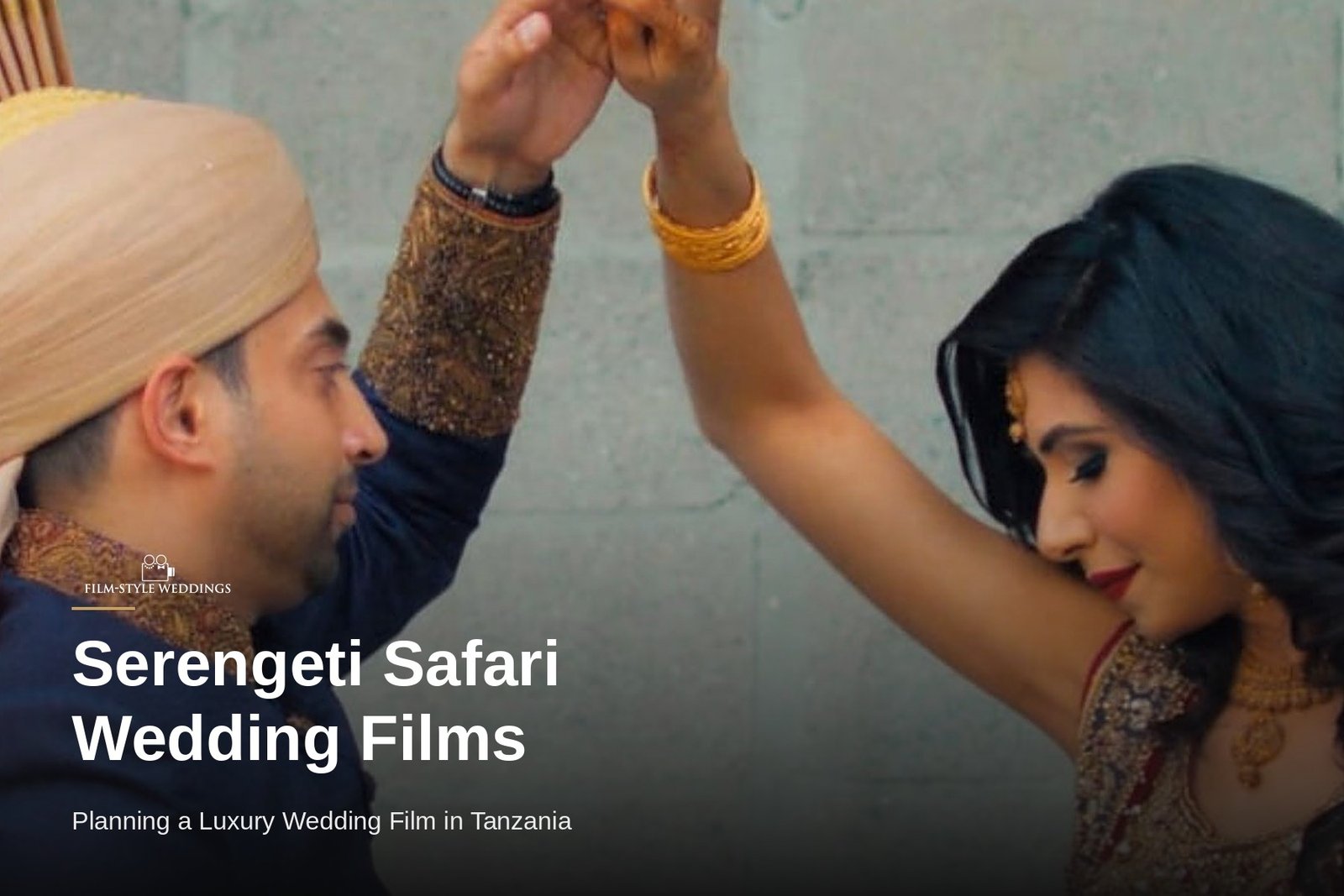
A ceremony on a rise above the plains, a long dinner by lantern light and the sound of the bush settling in after dark. A Serengeti safari wedding is one of the most memorable ways to marry, and also one of the most demanding to plan. Camps are remote and the wildlife sets part of the schedule. This guide covers what couples and their families should think through before the cameras arrive. We have not filmed a wedding in Tanzania yet; the notes below are a planning guide based on current lodge, legal and aviation practice. If you are thinking about adding a beach to the trip, read our Zanzibar destination wedding guide too.
Why couples are choosing a Serengeti safari wedding
Couples planning a luxury safari wedding in Tanzania want privacy, adventure and a few days their guests will never forget. A few trends stand out:
- Exclusive-use camps. Families book a whole tented camp or lodge for three or four nights, so the welcome dinner, the ceremony and the farewell breakfast share one setting.
- Small guest lists. Most camps sleep twenty to sixty people, which keeps the celebration close.
- Experiences as part of the programme. Dawn game drives, a hot-air balloon flight and bush dinners now sit alongside the ceremony rather than after it.
- Safari plus beach. Many couples marry inland and then move the party, or just the two of them, to the coast for a few slower days.
For a film, that rhythm is a gift. The quiet moments in between, like a game drive or sunrise coffee on a deck, often give the most honest footage.
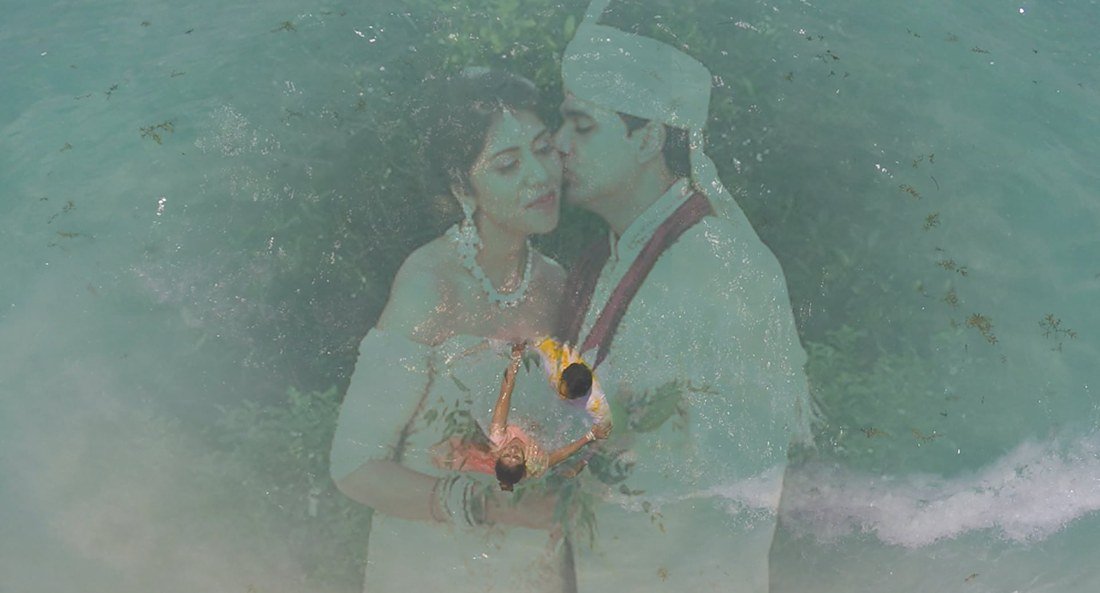
Choosing your setting
Central Serengeti
The central plains are reliable for wildlife across most of the year and have several of the better-known lodges. Light aircraft land at a nearby airstrip, which keeps guest transfers short.
Northern Serengeti
The north is remote and wild, with large river crossings during the dry months. Camps here are smaller and harder to reach, which suits couples who want true seclusion and are happy to fly in.
The southern plains
Early in the year the short-grass plains in the south fill with herds during calving season. It is quieter and films beautifully at golden hour.
Private lodges and tented camps
A safari lodge wedding usually follows a simple shape: a slow morning, a late-afternoon ceremony with a view, sundowners and a candlelit dinner outside. Lodges set firm rules on where guests can walk, so the ceremony site is chosen with the camp manager and rangers.
When to plan your wedding
June to October is the long dry season, with clear skies, cooler mornings and easy wildlife viewing. It is also the busiest time, so the best camps are booked well over a year ahead. January and February bring the calving season in the south and green, open landscapes. The long rains in April and May close some camps and make roads harder going. November and early December bring short rains, which are usually brief, and lush colour.
Legal ceremony or symbolic ceremony?
Foreign couples can marry legally in Tanzania through the government registrar. You will usually need a certificate of no impediment from your home country, passports, birth certificates, photos and two witnesses. The standard notice period is twenty-one days, but couples can apply for a special licence to shorten it, plus a separate permit to marry at a location such as a lodge. Many couples sign the legal papers at home and hold a symbolic ceremony on safari, which frees the timing and format. Confirm current requirements with your planner, lodge and consulate.
Filming logistics for a Serengeti safari wedding
A Tanzania destination wedding film needs a plan as careful as the guest itinerary.
- Light aircraft limits. Bush flights have strict luggage limits, often in soft bags only. We plan a compact cinema kit and, when needed, a separate cargo seat for equipment.
- Power and charging. Many camps run on solar power or set generator hours. Battery and charging plans are agreed with the camp before arrival.
- Drone flights. Every drone flight in Tanzania needs approval from the civil aviation authority, and flying inside a national park needs separate written permission, a ranger escort and strict height rules. Approvals take weeks and are never guaranteed, so we never promise aerial footage until permissions are in hand.
- Filming permits. Professional filming in Tanzania is handled by the national film board, and parks and conservation areas set their own conditions. We start this paperwork at least two months out.
- Light and heat. Midday sun on the plains is harsh. Ceremonies and portraits work best in the last two hours before dusk, with dinner lit by lanterns and warm, planned lighting.
- Safety first. Rangers decide where guests and crew can stand. Our coverage works around their guidance, never the other way round.
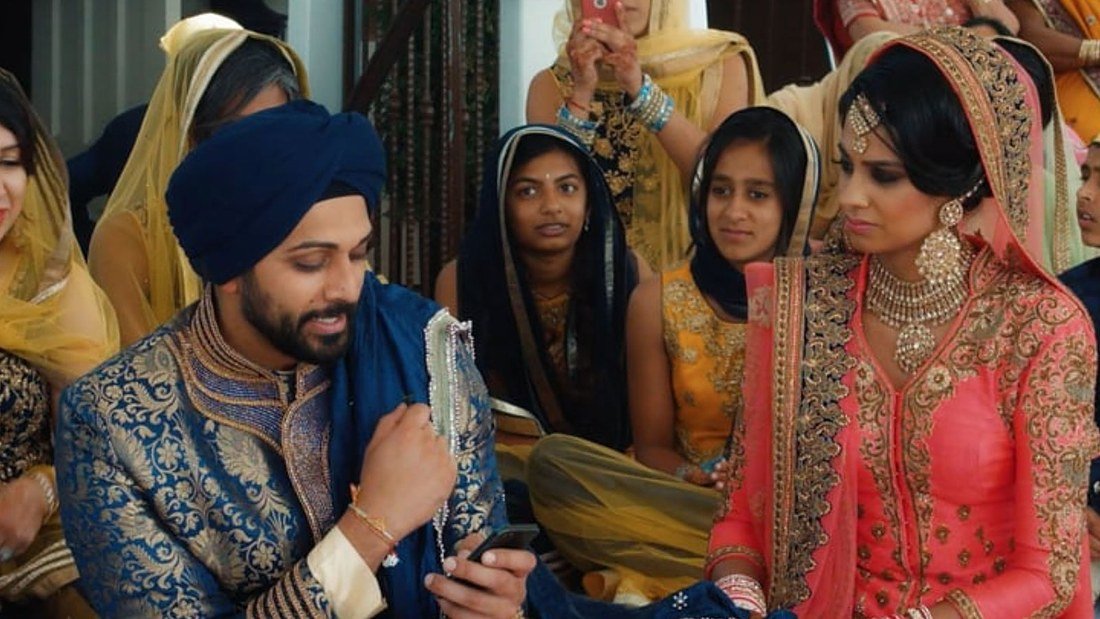
How we would approach a wedding this remote
Our destination wedding film guide and our approach to a cinematic wedding film explain how we plan travel, crew and storytelling for weddings abroad. A safari celebration is almost always a multi-day event, so our multi-day wedding film guide is a useful next read. Some couples add a same day edit to screen at the farewell dinner.
For outdoor weddings we have filmed, watch Omar + Maham’s garden wedding film and Franky + Neema’s Mexico wedding film. Comparing other settings? Read our guides to a Nigeria destination wedding, a Maldives destination wedding and a luxury wedding in Dubai.
Starting points for your film
Every film is custom, and collections have clear starting points:
| Collection | Starting point |
|---|---|
| Destination | from $50,000 |
| The Legacy | from $75,000+ |
| Concept Films | from $15,000 |
The final scope depends on the number of event days, locations, crew size and the films you want to keep. Our Investment page explains how a consultation shapes your collection.
FAQ
What is the best time of year for a Serengeti safari wedding?
June to October offers dry weather and easy wildlife viewing, but it is the busiest season. January and February are green and quieter, while April and May bring long rains and some camp closures.
Can overseas couples marry legally in the Serengeti?
Yes, through the government registrar with the right documents. A special licence can shorten the notice period, and a separate permit allows the ceremony at a lodge. Many couples marry at home and hold a symbolic ceremony on safari.
Can our safari wedding film include drone footage?
Only with approval from the aviation authority and written permission from the park, with a ranger present. Permits take weeks and are not guaranteed, so we plan the film to work beautifully without aerial shots.
Can we combine a safari wedding with a beach stay?
Yes. Many couples marry inland and then fly to the coast for a few days. A short flight connects the two and adds a fresh chapter to the film.
Begin your inquiry
If you are planning a Serengeti safari wedding, tell us about your dates, camp and guest list. Contact Film Style Weddings to start an inquiry, and we will build a film plan around your celebration. You can also explore our Destination page and Films archive.